Samsung, SK hynix, and Micron Hit With U.S. Lawsuit Over Alleged DRAM Price-Fixing
Three of the world's largest memory manufacturers—Samsung, SK hynix, and Micron—are facing a new class-action lawsuit in the United States over allegations that they deliberately restricted the supply of DRAM memory chips to drive prices higher. Filed in a federal court in California, the lawsuit claims the companies coordinated production cuts while demand continued to rise, causing memory prices to surge and increasing costs for consumers and businesses alike.
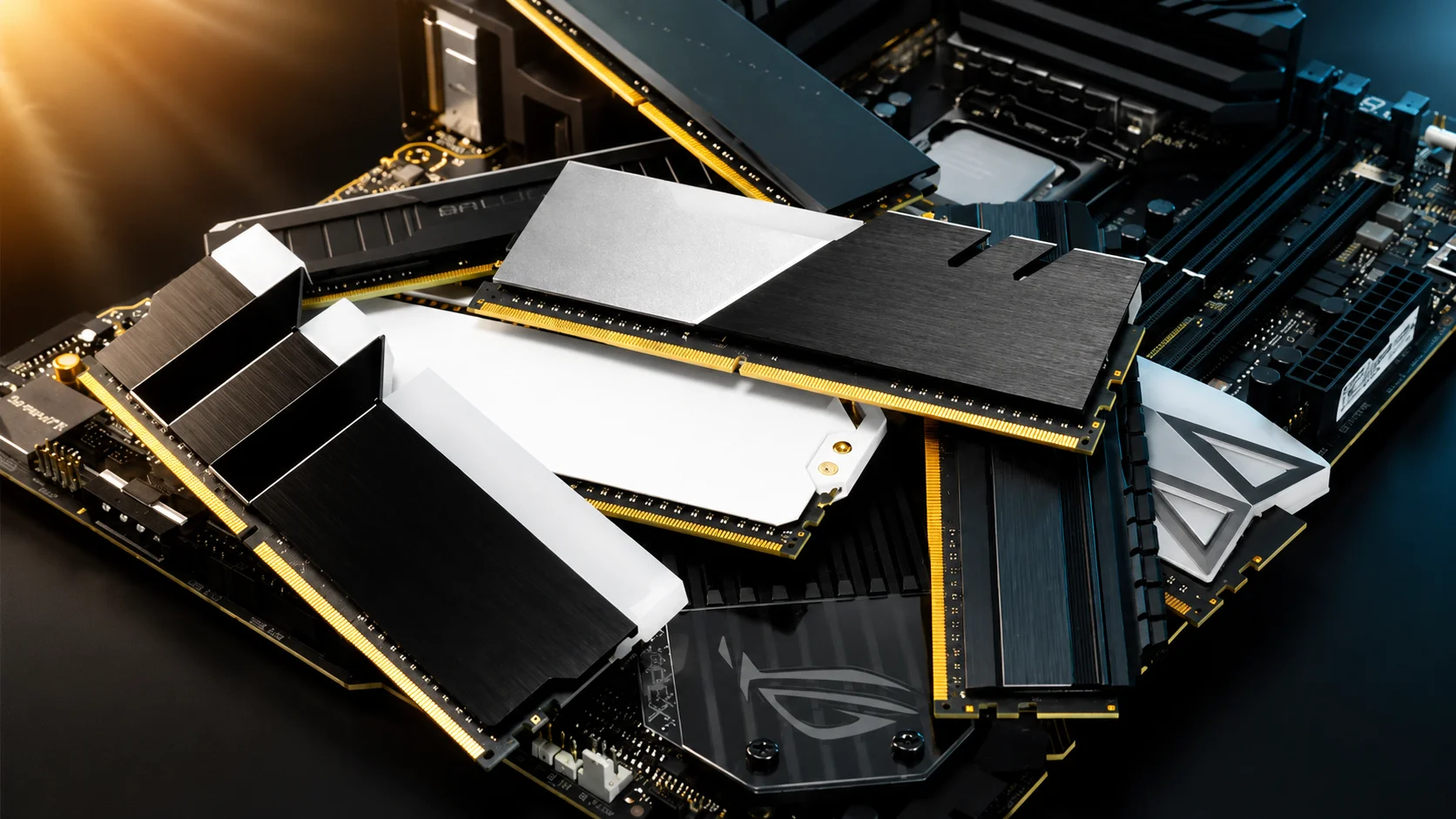
According to the complaint, the three companies, which collectively control the vast majority of the global DRAM market, allegedly began limiting production around 2022 while shifting manufacturing capacity toward more profitable high-bandwidth memory (HBM) used in AI accelerators. Plaintiffs argue that this strategy artificially reduced the supply of conventional DRAM, contributing to price increases of up to 700% over the past four years. The lawsuit accuses the manufacturers of violating U.S. antitrust laws through coordinated market behavior.
The defendants have not admitted any wrongdoing, and at least one company, Micron, has already stated that it intends to vigorously defend itself against the allegations. Industry analysts note that the memory market has also been affected by soaring AI demand, which has encouraged manufacturers to prioritize advanced memory products over consumer-grade DRAM. As a result, determining whether the recent price increases were caused by normal market conditions or illegal collusion will likely become a central issue in the legal proceedings.
The lawsuit comes as consumers continue to face higher prices for gaming PCs, laptops, graphics cards, and other electronics that rely on DRAM. Regardless of the case's outcome, the legal battle is expected to draw significant attention across the technology industry, especially as global memory shortages continue to affect hardware pricing. If the plaintiffs succeed, the case could become one of the most significant antitrust disputes involving the semiconductor industry in recent years.