Former PlayStation Boss Says DLSS 5 Is a Short-Term Trend, Comparing It to the RenderWare Era
Former Sony Interactive Entertainment president Shawn Layden has shared a skeptical view of NVIDIA's DLSS 5, arguing that the industry's current fascination with AI-powered rendering may prove to be a temporary phase rather than a permanent revolution. Speaking in a recent interview, Layden compared today's excitement around neural rendering to the widespread adoption of RenderWare in the early 2000s—a technology that once dominated game development before eventually giving way to proprietary engines.
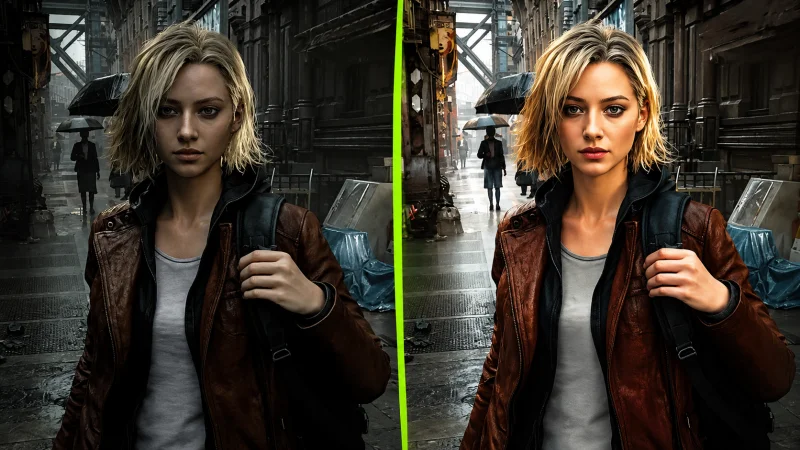
According to Layden, graphics technologies inevitably evolve in cycles. He acknowledged that DLSS 5 represents an impressive technical achievement, but questioned whether developers should build long-term strategies around a solution controlled by a single hardware vendor. In his view, many studios may eventually shift toward more platform-agnostic rendering techniques or develop their own AI-assisted technologies, much as they moved away from RenderWare once engines like Unreal Engine and in-house solutions became more capable.
Layden stressed that history shows no single graphics technology remains dominant forever. He recalled how RenderWare was once considered an essential tool for developers before rapidly losing relevance as studios invested in proprietary technology and more flexible middleware. While he expects AI-assisted rendering to become an important part of game development, he believes today's intense focus on DLSS 5 specifically could fade as competing solutions mature and the industry seeks broader cross-platform compatibility.
Despite his reservations, Layden did not dismiss AI-powered graphics altogether. Instead, he argued that developers should avoid becoming overly dependent on any single proprietary technology and continue prioritizing solutions that can reach the widest possible audience. As NVIDIA prepares to roll out DLSS 5 later this year with support from numerous major publishers, the debate over the future of AI-driven rendering is likely to remain one of the gaming industry's most closely watched topics.