Former PlayStation Boss Says the Era of Affordable Consoles Ended With the PlayStation 2
Former PlayStation executive Shawn Layden believes the age of inexpensive game consoles is long gone. Speaking in a recent interview, Layden argued that the PlayStation 2 was the last generation to benefit from a business model that allowed manufacturers to offer relatively affordable hardware while still maintaining healthy profits. According to him, soaring development costs, advanced semiconductor technology, and today's complex hardware have fundamentally changed the economics of the console industry.
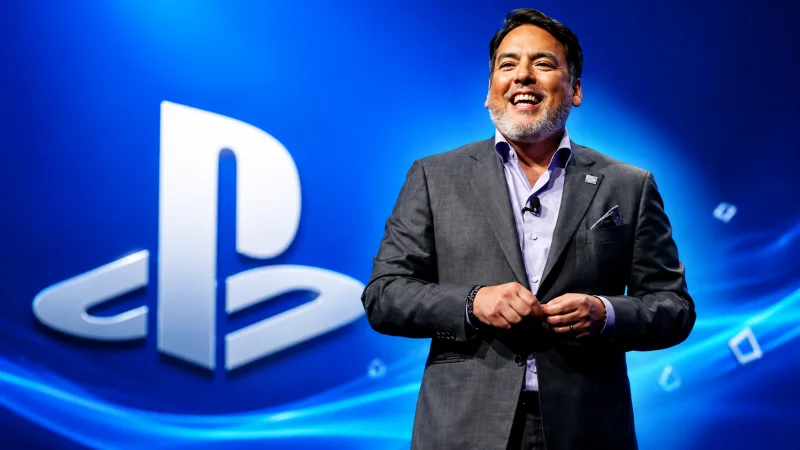
Layden explained that during the PS2 era, console manufacturers could subsidize hardware more easily because game development budgets were dramatically lower and profit margins were much higher. Since then, the cost of producing both consoles and blockbuster games has increased exponentially. Modern systems require cutting-edge processors, high-speed memory, custom graphics chips, and increasingly expensive manufacturing processes, making it far more difficult for companies to sell hardware at aggressive prices.
He also noted that rising component prices—driven in part by global demand for AI hardware and advanced memory chips—have pushed console prices upward across the industry. Instead of becoming cheaper as they age, recent systems such as the PlayStation 5 and Xbox Series X|S have even experienced price increases in several regions, reversing a trend that had defined previous generations. Layden believes these market conditions make it unlikely that future consoles will ever return to the affordable pricing consumers enjoyed during the PS2 years.
Despite his concerns, Layden remains optimistic about the future of gaming itself. He argues that success will increasingly depend on compelling games and strong ecosystems rather than low-cost hardware alone. While consoles are expected to remain an important part of the industry, he believes manufacturers must adapt to a market where rising production costs and evolving consumer expectations have permanently reshaped the economics of gaming hardware.